
-

Staff Duress System Workers’ Comp Savings: CFO Guide
Key Takeaways You’re reviewing the quarterly workers’ comp claims report before the insurance renewal meeting. Three violence-related claims this quarter. A fractured wrist from a patient restraint. A back injury from a night shift escalation. A stress claim still open from six months ago. Each one recorded, processed, filed. What the report doesn’t show is…
-

Nurse Duress and Turnover Costs in Behavioral Health
Key Takeaways It’s 7:15 AM. You’re reviewing last night’s flash report. Three more RN resignations: two from the acute psychiatric unit, one from the adolescent program. Your controller has already flagged the agency spend variance, $127,000 over budget this quarter and climbing. You know turnover is expensive. What you probably don’t know is why behavioral…
-

Staff Duress Solution for Behavioral Health | 2026
Key Takeaways You’re reviewing overnight incident reports at 6:47 AM. A staff member was assaulted on the evening shift. The third incident this quarter. Your Chief Nursing Officer (CNO) is requesting more resources. Your Chief Financial Officer (CFO) is flagging a workers’ comp trend line that keeps climbing. And your board chair texted last night…
-

Workplace Violence Technology for Behavioral Health
Key Takeaways You’re two hours into your shift and already reviewing last night’s incident reports. Two staff injuries requiring modified duty. One nurse requesting transfer to what she called a “safer unit.” Another resignation letter (the third this quarter) citing safety concerns. This is Tuesday. It looks like every other day in behavioral health nursing…
-

The Slide Deck That Changes the Conversation: Safety Perception Data Your Board Has Never Seen
Key Takeaways You’re building the slide deck for Thursday’s executive team meeting. The board HR committee wants to know why behavioral health turnover keeps climbing despite competitive pay adjustments. Exit interviews surface “safety concerns” again and again. But your engagement survey buries safety questions inside a 50-item instrument scored once a year. Your incident reports…
-

Walk Into the Unit Meeting With Numbers, Not Reassurance
Key Takeaways Staff preparedness to respond to safety incidents jumped from 38% to 76% in a single pilot period [1]. That before-and-after shift changes the conversation. When your charge nurse asks, “Is this new system actually making a difference?” you need more than reassurance. This nursing safety brief gives you the specific perception metrics to…
-

Build a Safety Perception Measurement Framework That Predicts Nurse Turnover 90 Days Out
Key Takeaways You’ve been staring at your turnover dashboard for months. The numbers keep climbing, but the exit interviews are vague. Nobody writes “I don’t feel safe” on their way out the door. That’s the problem. Your dashboard captures departures. It doesn’t capture the perception driving them. This guide walks through building a safety perception…
-
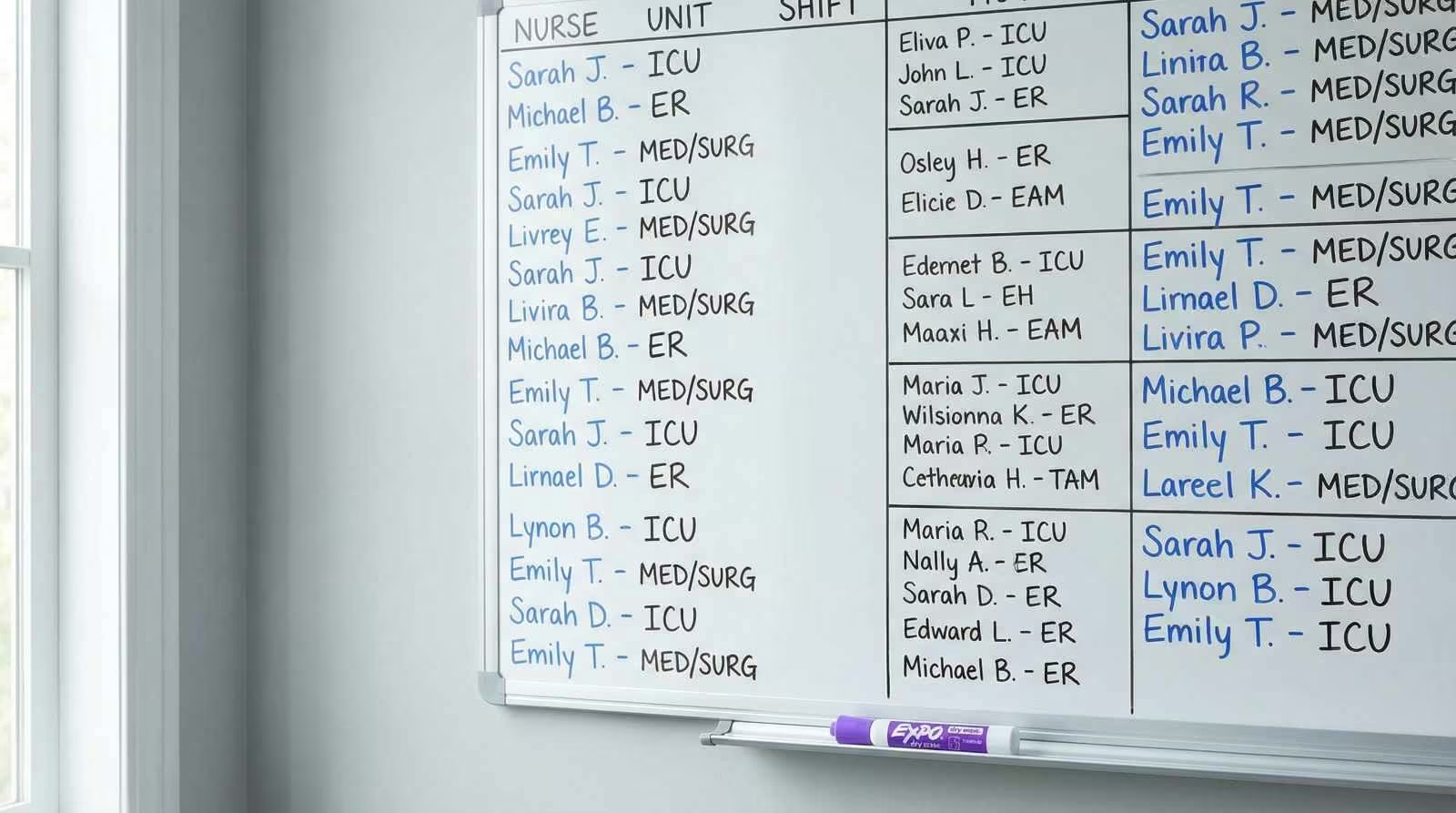
The Whiteboard Still Has Names on It. But This Time, They’re Staying.
Key Takeaways You’re standing at the whiteboard during your morning staffing huddle. Scanning which units are short. Figuring out where the float nurses need to go. Two experienced nurses gave notice last week. Both exit interviews cited safety concerns. But when you pulled the incident data, the numbers looked stable. This is the gap that…
-
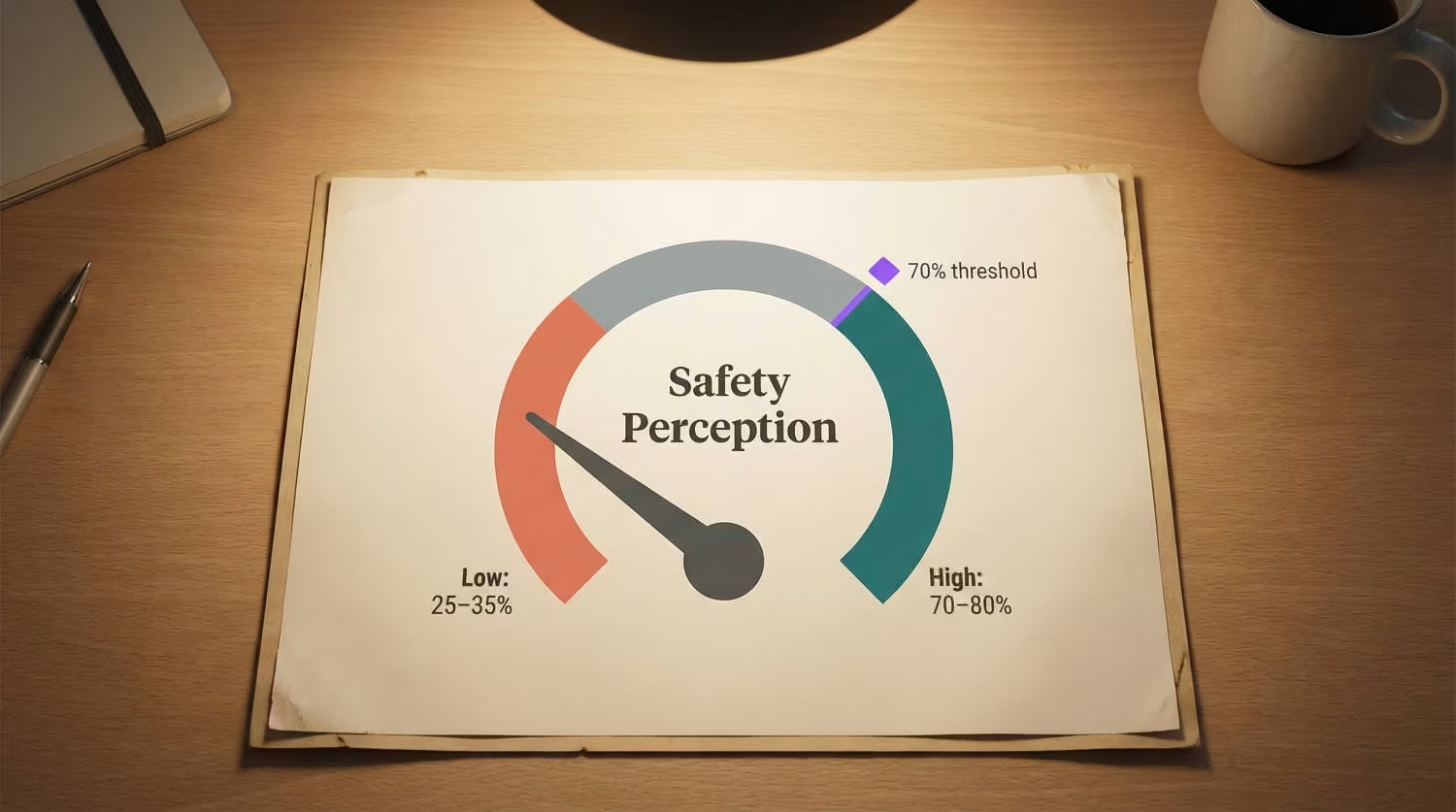
The 35-Point Perception Gap Between Facilities That Keep Nurses and Facilities That Keep Losing Them
Key Takeaways The pattern in your latest engagement survey results is familiar. Units with the highest turnover are the same units where staff rate safety lowest. Exit interviews confirm it. Union grievances echo it. The connection between safety perception and retention isn’t theoretical. It shows up in every workforce dashboard you pull. This staff safety…
-
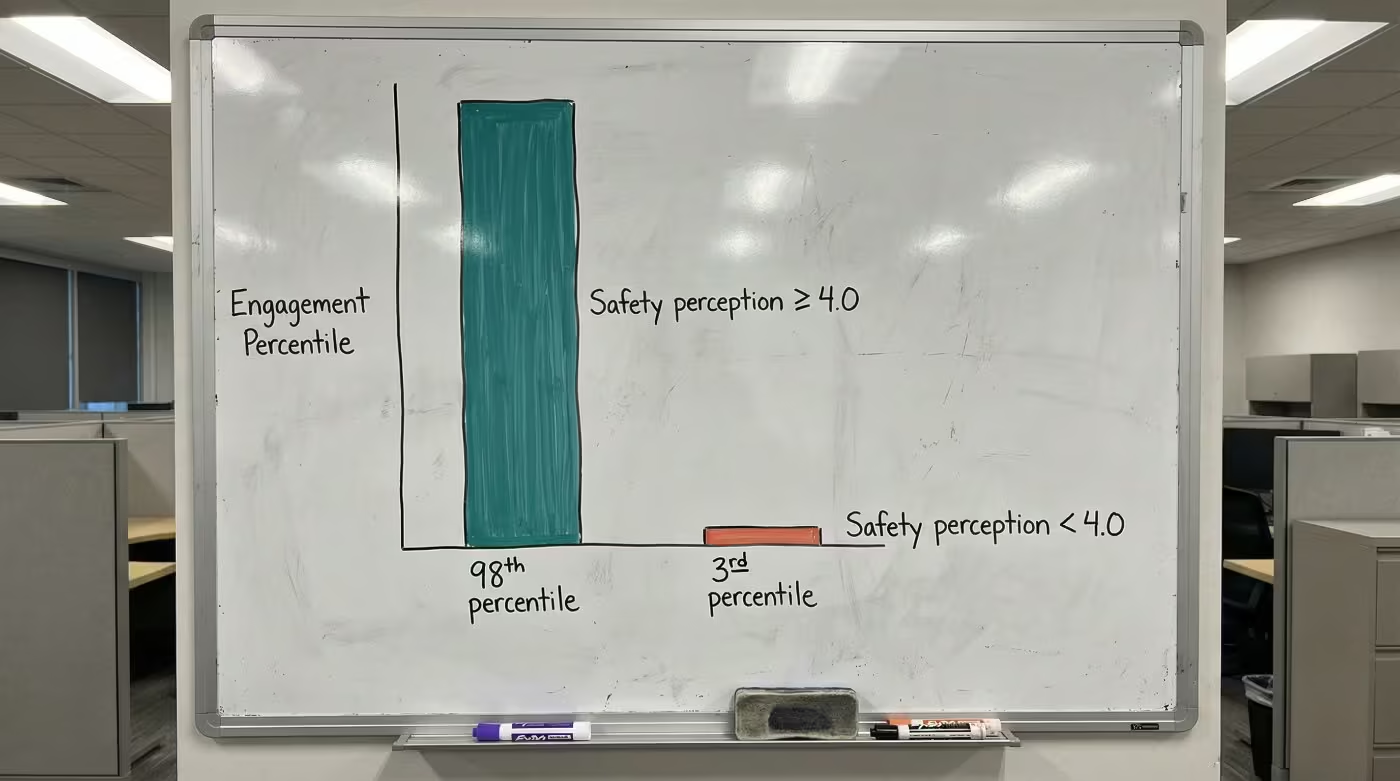
A Correlation of Negative 0.883: What Safety Perception Data Actually Predicts About Nurse Turnover
Key Takeaways The Gap Between Safety Importance and Safety Experience Staff rate the importance of safety at 4.7 out of 5. Fully 83.7% call it “extremely important.” Yet satisfaction with existing safety processes averages only 3.5 out of 5 [1]. That 1.2-point perception gap drives behavior. Chief Human Resources Officers (CHROs) see it surface in…
