
-

Workplace Violence Technology for Behavioral Health
Key Takeaways You’re two hours into your shift and already reviewing last night’s incident reports. Two staff injuries requiring modified duty. One nurse requesting transfer to what she called a “safer unit.” Another resignation letter (the third this quarter) citing safety concerns. This is Tuesday. It looks like every other day in behavioral health nursing…
-

Walk Into the Unit Meeting With Numbers, Not Reassurance
Key Takeaways Staff preparedness to respond to safety incidents jumped from 38% to 76% in a single pilot period [1]. That before-and-after shift changes the conversation. When your charge nurse asks, “Is this new system actually making a difference?” you need more than reassurance. This nursing safety brief gives you the specific perception metrics to…
-
The Whiteboard Still Has Names on It. But This Time, They’re Staying.
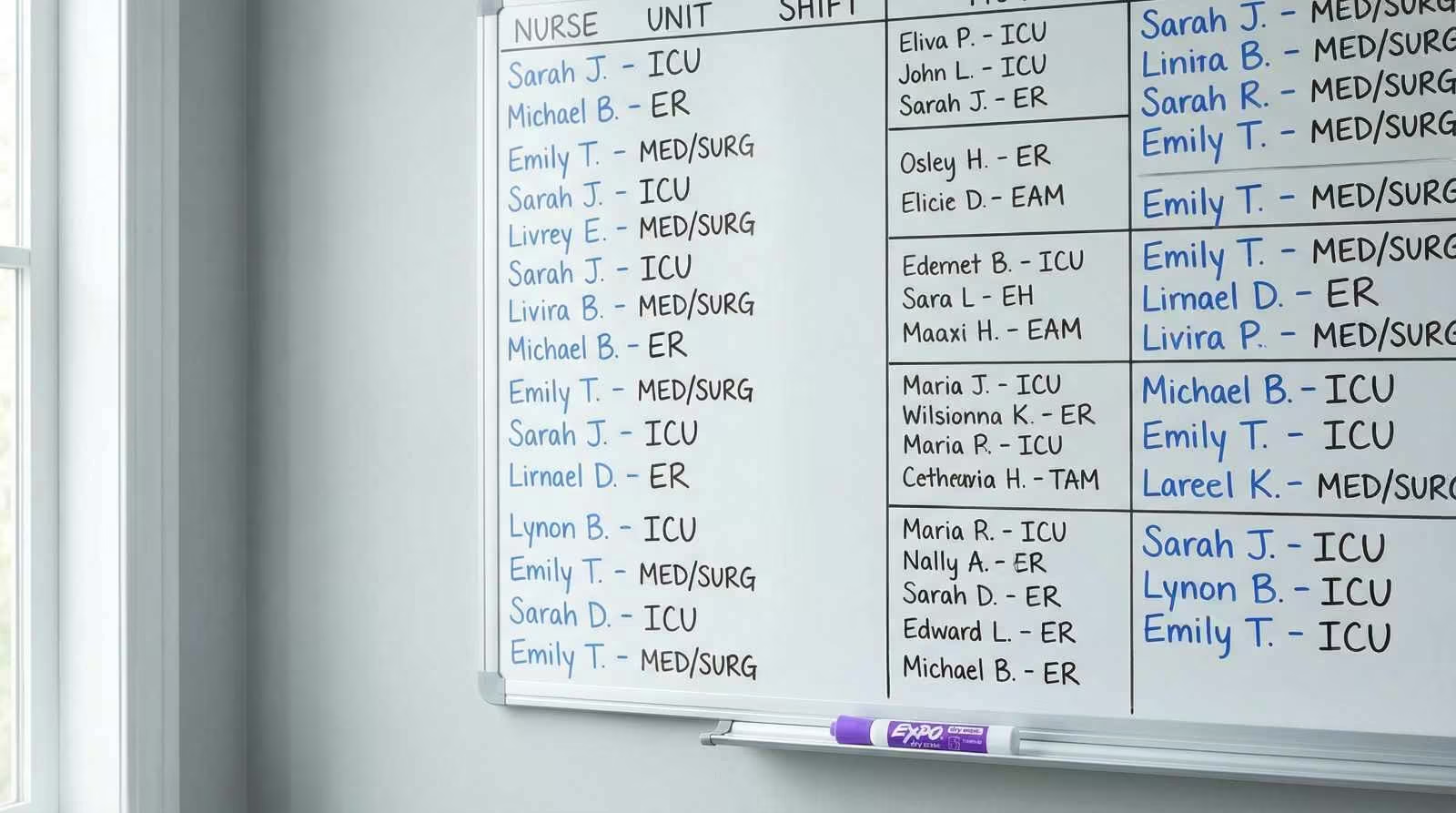
Key Takeaways You’re standing at the whiteboard during your morning staffing huddle. Scanning which units are short. Figuring out where the float nurses need to go. Two experienced nurses gave notice last week. Both exit interviews cited safety concerns. But when you pulled the incident data, the numbers looked stable. This is the gap that…
-
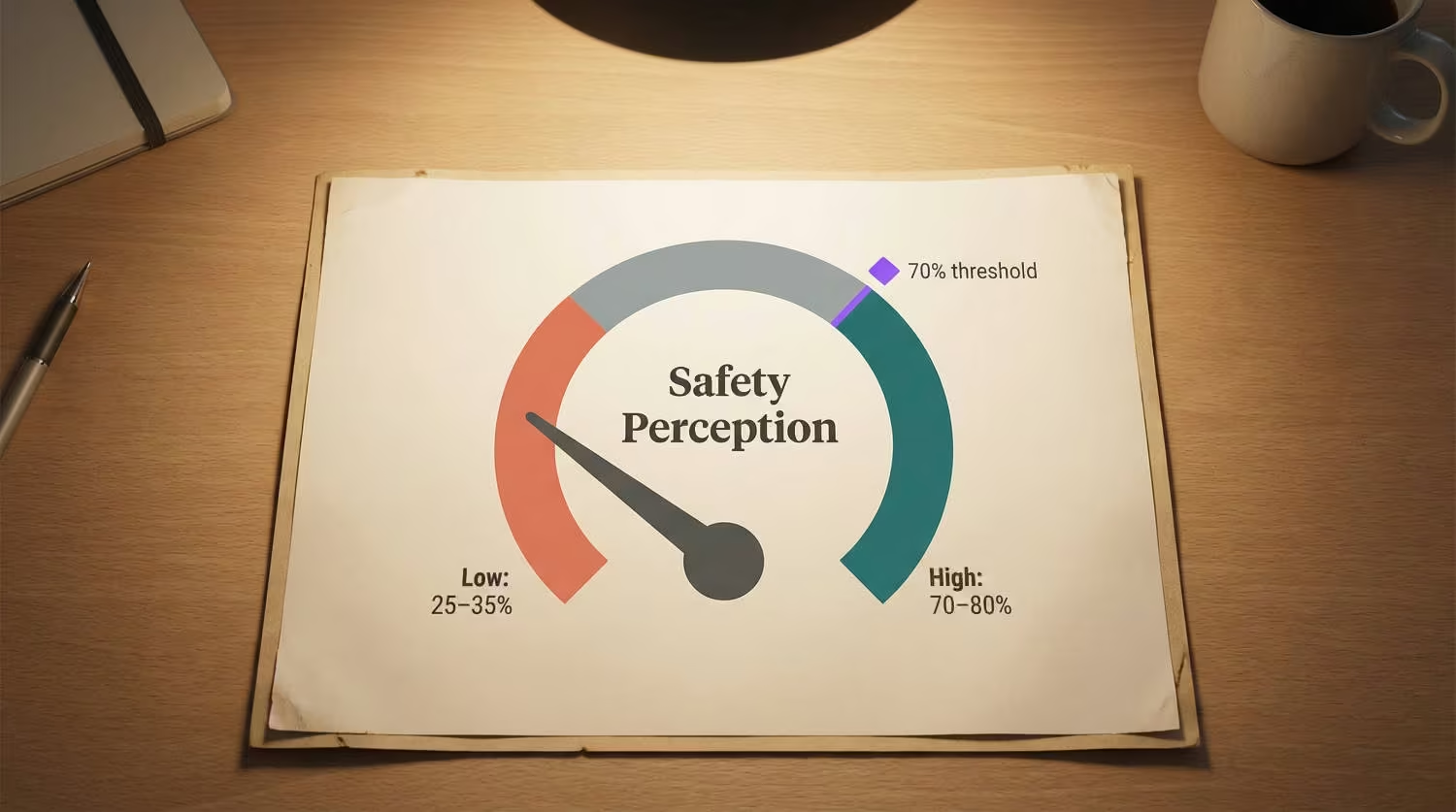
The 35-Point Perception Gap Between Facilities That Keep Nurses and Facilities That Keep Losing Them
Key Takeaways The pattern in your latest engagement survey results is familiar. Units with the highest turnover are the same units where staff rate safety lowest. Exit interviews confirm it. Union grievances echo it. The connection between safety perception and retention isn’t theoretical. It shows up in every workforce dashboard you pull. This staff safety…
-
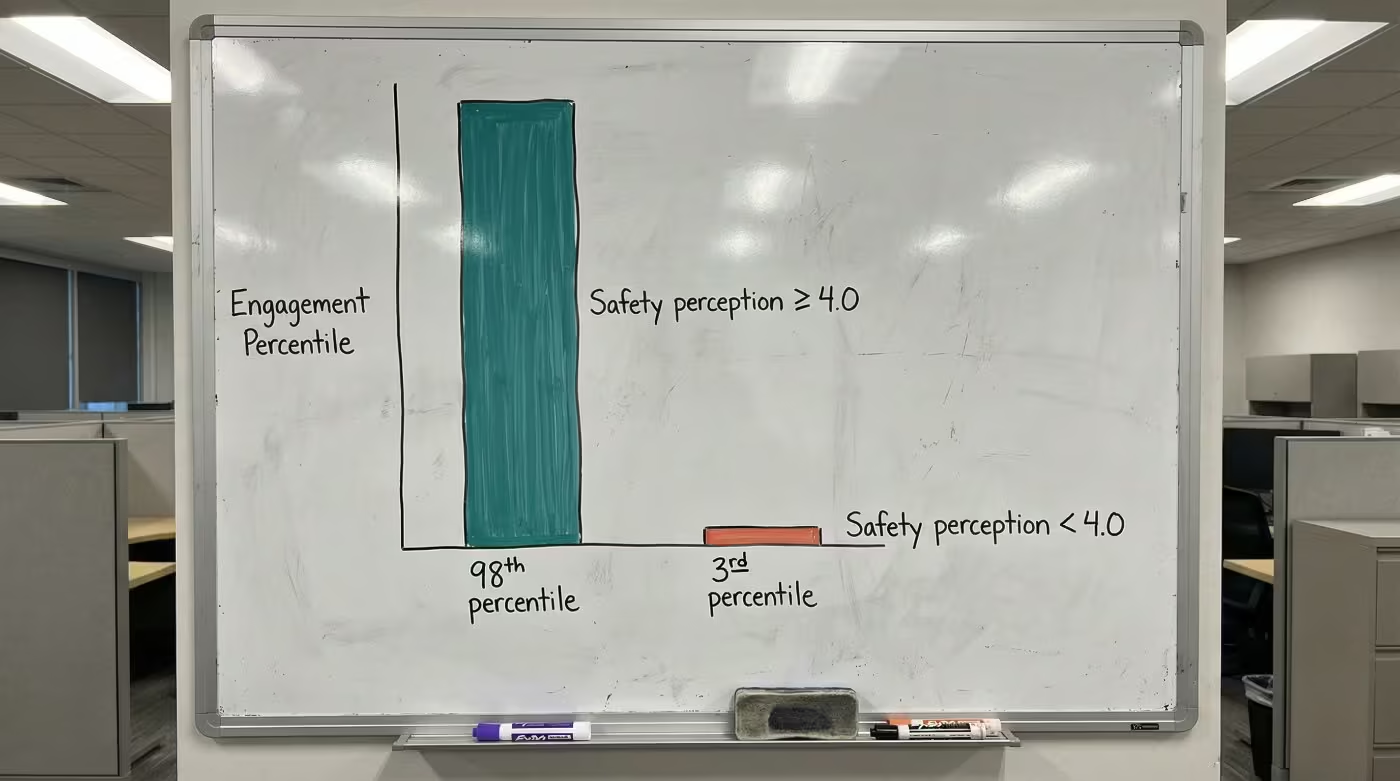
A Correlation of Negative 0.883: What Safety Perception Data Actually Predicts About Nurse Turnover
Key Takeaways The Gap Between Safety Importance and Safety Experience Staff rate the importance of safety at 4.7 out of 5. Fully 83.7% call it “extremely important.” Yet satisfaction with existing safety processes averages only 3.5 out of 5 [1]. That 1.2-point perception gap drives behavior. Chief Human Resources Officers (CHROs) see it surface in…
-

The Complete Guide to Staff Safety in Psychiatric Hospitals: From Perception Measurement to Workforce Stability
Key Takeaways Your vacancy dashboard shows behavioral health nursing turnover at 22.8%. The highest of any specialty in your system [1]. Exit interviews keep surfacing “safety concerns” as a contributing factor. But when you cross-reference incident reports, the numbers look stable. The disconnect isn’t a data error. It’s a measurement gap. You’re tracking the aftermath…
